Essential Safety Checks for Disc Brake Systems


Disc Brakes are becoming a cornerstone of modern vehicle protection and performance. Known for their power to supply consistent ending energy under various operating problems, they've mainly changed older braking technologies generally in most passenger cars and commercial vehicles. Among all of their benefits, industrial brakes stand out for providing superior heat dissipation, which decreases brake disappear throughout prolonged use.
How Do Disc Brakes Work?
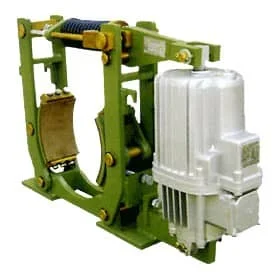
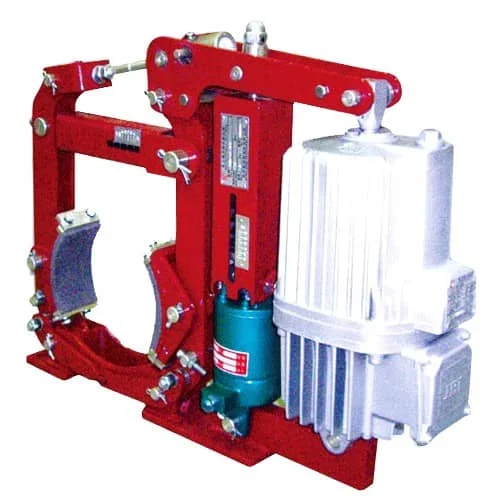
Disc Brakes operate by utilizing calipers to fit brake pads against a rotor, making friction that slows down the vehicle. This method is very efficient since the exposed rotor makes for quicker heat dissipation in comparison to drum brakes. Consequently, owners experience more consistent braking efficiency, especially throughout high-speed operating or regular stops.
Why Are Disc Brakes Safer Than Other Braking Systems?
Data show that vehicles equipped with Disc Brakes reduce stopping distances significantly under wet and dry conditions. Their design prevents overheating and brake diminish, which are typical problems in older braking systems. The increased answer time immediately contributes to fewer collisions and enhanced driver confidence.
Frequent Problems with Disc Brakes
Despite their benefits, Disc Brakes involve proper maintenance. Common dilemmas contain rotor warping, station wear, and sound due to dust or dirt accumulation. Normal inspections are critical, as worn-out parts can minimize braking efficiency and cause costly repairs.
Preservation Tips for Endurance
Routine checks of rotor thickness, pad situation, and brake water degrees are encouraged for maximum performance. Changing worn brake pads before they achieve the material support plate can prevent rotor damage. Moreover, keeping the braking program clean from street dirt improves effectiveness and runs service life.
Disc Brakes in Various Driving Problems
Disc Brakes perform easily in a variety of conditions, from downtown streets to off-road conditions. Nevertheless, severe temperatures can influence rotor efficiency, and high-humidity parts may possibly increase corrosion. Choosing supreme quality parts and doing regular preservation mitigates these risks.
Technical Advancements
Contemporary Disc Brakes often integrate features like ventilated rotors, anti-lock braking methods (ABS), and digital security control. These improvements not only improve ending energy but provide better get a grip on throughout disaster maneuvers.
Price vs. Gain Analysis
While Disc Brakes may have a greater transparent price compared to traditional drum Brakes, the benefits in protection, performance, and durability make sure they are a cost-effective choice within the vehicle's lifespan. Data declare that cars with Disc Brakes knowledge fewer brake-related problems, which decreases long-term preservation costs.
Signals It's Time for a Brake Support
Signals such as squeaking, vibration throughout braking, or lengthier stopping ranges indicate the need for an expert inspection. Regular service assures protection, prevents costly fixes, and maintains the vehicle's braking performance at peak levels.
Environmental and Operating Impact
Disc Brakes are designed to handle repeated braking under large traffic and hilly terrains. Their toughness reduces the volume of substitutes, indirectly decreasing environmental affect from brake dirt and worn components.
The Future of Disc Brakes
Advancement remains with light components, enhanced rotor films, and integration with electric vehicles. These developments goal to further minimize wear, improve effectiveness, and improve over all driving safety.
In summary, Disc Brakes are not only a part of modern vehicles—they're a vital aspect in ensuring safety, performance, and reliability. With correct preservation and awareness of technical improvements, they supply consistent ending energy and a lengthy service living, making them fundamental in the current automotive landscape.